What You Don’t See Behind a Clean Frame
One of the things I like about production is how different the final image can look from what is actually happening in the room. On screen, you might see one person sitting in a chair, nicely lit, talking to camera. What you do not see is everything just outside the frame. There may be two cameras, several lights, audio gear, monitors, stands, cables running across the floor, cases stacked off to the side, and a crew making sure everything is working the way it should. The viewer sees a clean image, but the room usually looks nothing like that.
Recently, we had the opportunity to interview Apollo-era Flight Director Gerald D. "Gerry" Griffin. After the recorded interview, we reset the room for a live appearance on Australia’s Today show. It was a good example of something that happens on almost every production. A lot of work goes into making something look simple. When you are watching a finished video, you are only seeing what the camera wants you to see. During production, we are looking at everything around it. Where can we put a light without getting it in the shot? Can we move the camera a few inches and get a better background? Is there something distracting behind the subject? Are we catching a reflection somewhere? Is the audio clean? Is the subject comfortable? Sometimes something as small as moving a chair or shifting a light can completely change how the shot feels. Most people watching the finished video will never know any of those decisions happened, and that is kind of the point.
The interesting part of this particular shoot was going from a recorded interview into a live television setup. With a recorded interview, you have some room to work. You can stop, adjust something, ask another question, or do another take. You also have post-production afterward to edit, color, clean up the audio, and make everything work together. Live television is different. Once you are live, that is it. The camera needs to be framed correctly, the lighting needs to work, the audio needs to work, and everybody needs to know what is happening. There is no fixing it later. It was the same room and a lot of the same equipment, but the way we approached the setup changed because the final product was completely different.
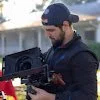
Behind-the-scenes photos are funny because the first thing people usually notice is all the equipment. Cameras, lights, monitors, microphones, stands, cables. Obviously the gear matters, but having more equipment does not automatically make a production better. The goal is not to bring as much gear as possible. The goal is to bring what the production actually needs and know how to use it. Sometimes that means a pretty large setup and sometimes it means keeping things simple. Either way, the equipment should be there for a reason. If it is not helping the final image, the audio, the crew, or the person in front of the camera, it probably does not need to be there.
The person being interviewed should also be able to focus on the conversation. They should not be thinking about exposure, camera settings, microphones, lighting, cables, or whether everything is recording correctly. That is our job. If we are doing everything right, the technical side of the production should almost disappear for them. They can just talk. That matters whether we are filming an executive, an employee, a customer testimonial, or someone telling a story from more than 50 years ago.
I think people sometimes assume production value means adding more. More cameras, more lights, more equipment, more effects. A lot of what we do is actually the opposite. We are trying to remove distractions, clean up the background, fix the lighting, get rid of reflections, make the audio sound natural, and keep the frame from feeling cluttered. When everything works, you really should not be thinking about the production at all. You should just be watching the story.
That is why I like behind-the-scenes photos so much. You can look at the finished shot and it feels clean and simple. Then you take a few steps back and suddenly you see everything that went into creating it. The cameras, the lights, the stands, the cables, the crew. All of it sitting just outside the frame. None of it is really supposed to be the star of the finished video. The story is. That is what we are trying to do at Emberhouse Media Group. Build everything around the story, then get out of its way.